Core Components of an Audio System | From Signal to Sound
2026-01-09
An audio system functions as a precise auditory chain, where each component critically shapes the final sound. Understanding these core elements is the first step toward achieving exceptional audio quality. This guide explores the four fundamental stages of audio reproduction: the source, processing, amplification, and speakers.
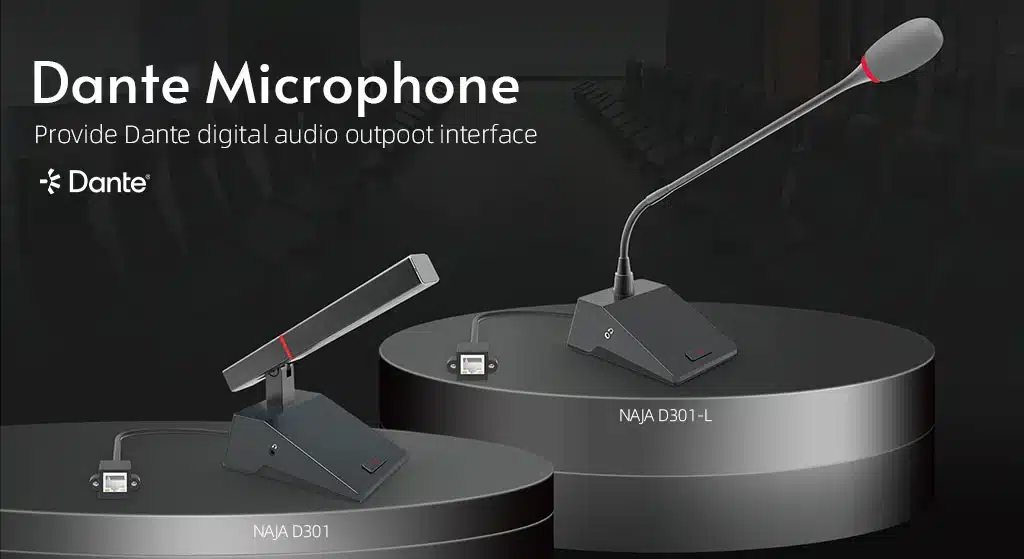
Audio Source: The Origin of Sound
The audio source is the starting point, generating the original electrical signal that carries the sound information. It defines the fundamental quality of the audio “material.”
- Common Devices: Microphones, CD/streaming players, musical instruments, smartphones, and computers.
- Primary Types:
- Microphones: Convert acoustic energy (voices, instruments) into electrical signals, serving as the cornerstone for recording and live sound.
- Electronic Instruments: Devices like synthesizers output electronic signals directly, offering vast creative sound design possibilities.
- Software / Digital Audio Workstations (DAWs): The heart of modern production, offering extensive sound libraries and powerful editing tools that revolutionize music creation.
- Why It Matters: A high-quality source is non-negotiable for high-fidelity audio, as it sets the ultimate ceiling for sound quality.
Audio Processing: The Sound Sculptor
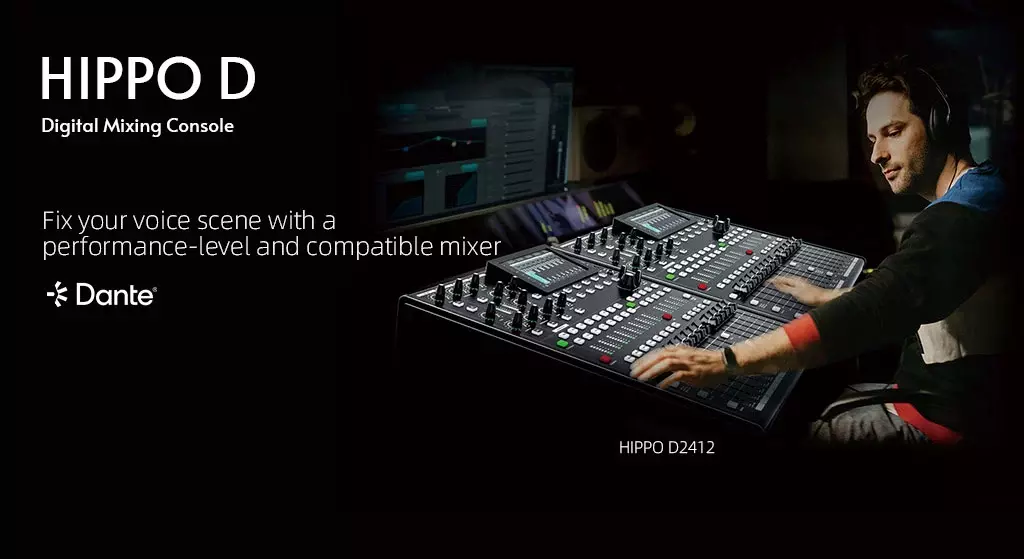
Audio processors act as master sculptors, refining and enhancing the raw source signal to meet specific creative, technical, or aesthetic goals.
- Core Purpose: To shape tone, control dynamics, add spatial effects, and optimize the signal for playback or further transmission.
- Key Techniques:
- Equalization (EQ): Adjusts the balance of specific frequency ranges to clarify vocals, tighten bass, or brighten highs.
- Dynamic Processing (e.g., Compression): Manages the volume range of an audio signal, reducing the difference between loud and quiet parts to achieve a more consistent, powerful, and controlled sound.
- Effects (e.g., Reverb, Delay): Add a sense of space, depth, and dimension, simulating acoustic environments or creating stylistic ambience.
- Industry Role: From studio mixing to broadcast and live sound, professional processing is essential for crafting polished, engaging audio.
Power Amplifier: The Driving Force
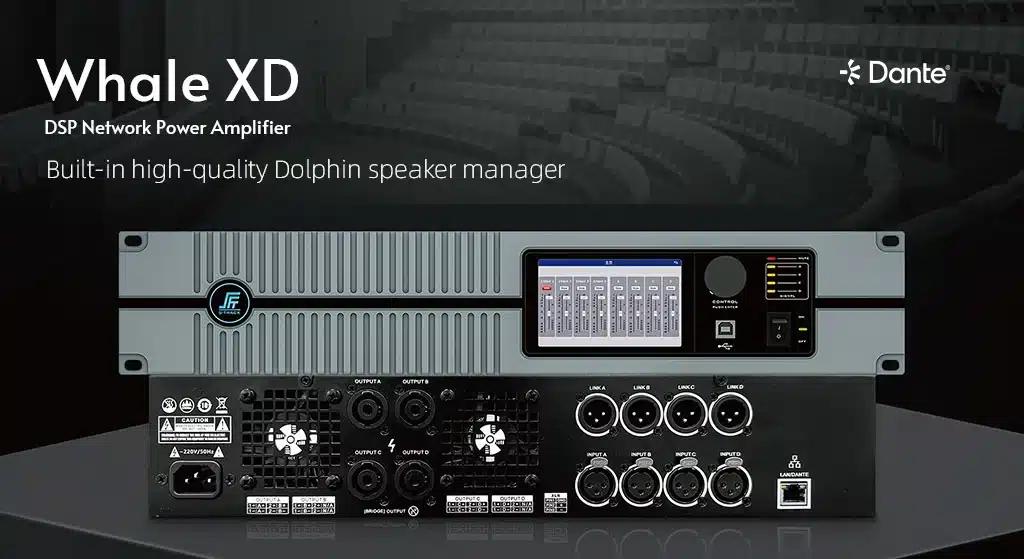
The power amplifier (amp) is the system’s engine, providing the necessary strength to drive the speakers. It amplifies low-level line signals from source or processing components into high-power signals.
- Core Function: Signal amplification and power delivery—the crucial link between the control electronics and the speakers.
- Two-Stage Operation:
- Preamplifier (“Preamp”): Handles initial input selection, volume control, and basic tonal adjustments (e.g., bass, treble).
- Power Amplifier (“Power Amp”): Receives the signal from the preamp and boosts it to a level capable of physically moving speaker drivers.
- Quality Impact: A superior amplifier delivers power cleanly and efficiently, minimizing distortion and noise for accurate, dynamic, and powerful sound reproduction.
Speakers: The Final Translation
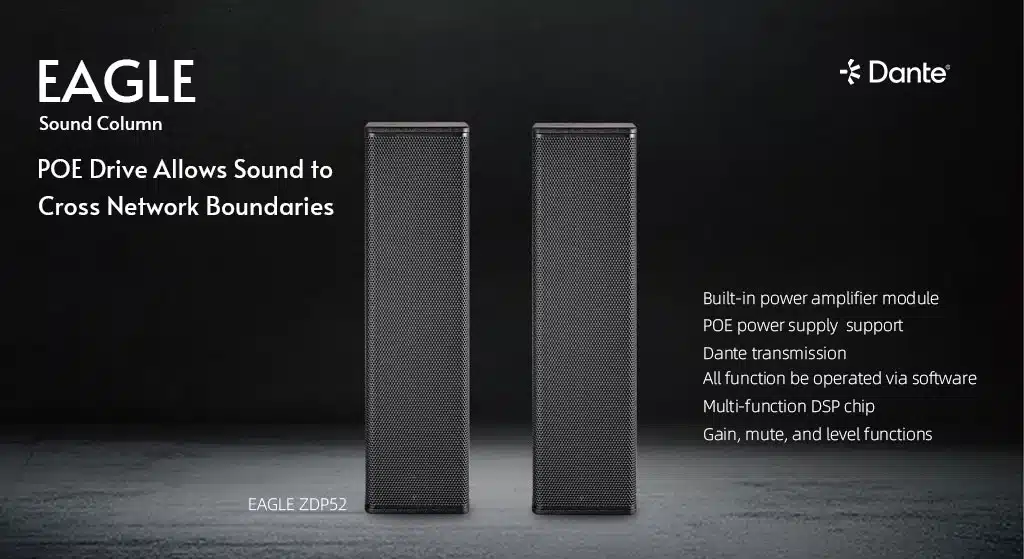
Speakers (or loudspeakers) are the system’s endpoint, performing the final conversion of electrical energy back into audible sound waves we can hear.
- Fundamental Task: Electro-acoustic transduction. Their performance directly dictates the realism, detail, and emotional impact of the listening experience.
- Common Types & Roles:
- Full-Range Speakers: Handle a broad spectrum of frequencies, ideal for general listening and compact systems.
- Subwoofers: Dedicated to reproducing very low frequencies (bass), providing impact and physical presence.
- Monitor / Main PA Speakers: Engineered for accuracy (studio monitors) or high-output clarity (PA systems) in professional applications.
- Critical Technology: The crossover network and driver units (tweeters, woofers) work in concert. The crossover intelligently routes appropriate frequency bands to each specialized driver, ensuring clear, coherent, and balanced sound output.
Conclusion: Symphony in Components
The source, processor, amplifier, and speaker—together, these components form a cohesive orchestra. Each must perform its role with precision for the entire system to deliver a harmonious and captivating sonic performance. A deeper understanding of their functions empowers you to make informed choices, whether you’re building a system or simply appreciating the art of sound reproduction.