
In audio systems, distortion and harmonic distortion define true fidelity. They directly impact clarity, purity, and listening comfort—key indicators of high-performance sound reproduction.
Ⅰ. Harmonic Distortion: What It Is & Why It Matters
Harmonic distortion adds unwanted frequencies to the original signal, generated when audio passes through components like amplifiers and speakers. These extra frequencies—harmonics—degrade sonic purity.
Causes & Effects
Nonlinear behavior in electronics or acoustic devices introduces distortion. The result:
Industry Standards
Ⅱ. Understanding Distortion: Beyond Harmonics
Distortion measures how much the output differs from the input. Key types include:
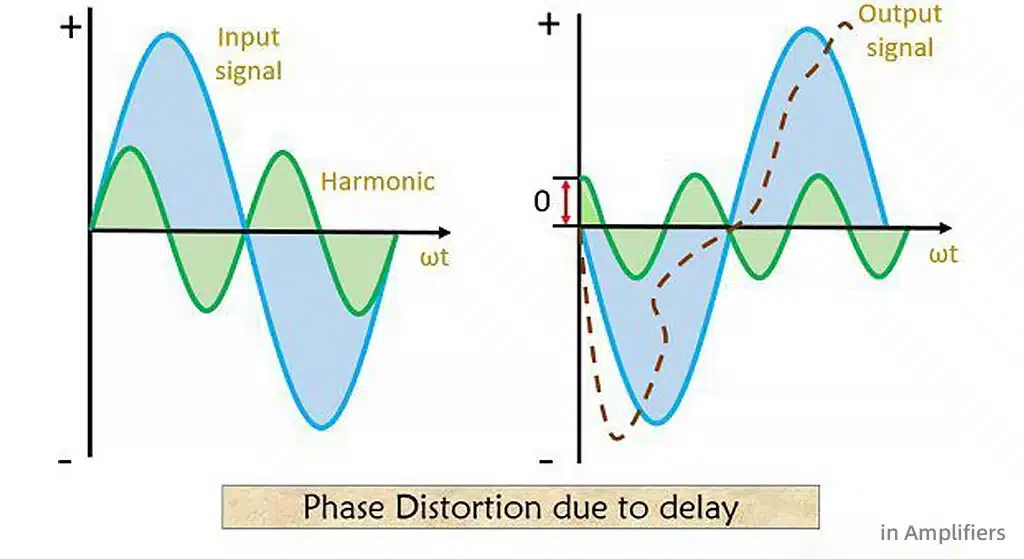
Low distortion means clear, detailed, authentic sound. High distortion means muddled, artificial, and fatiguing listening.
Ⅲ. How We Improve Sound: Reducing Distortion
We focus on:
These steps ensure purer, more engaging, and truer-to-source audio.
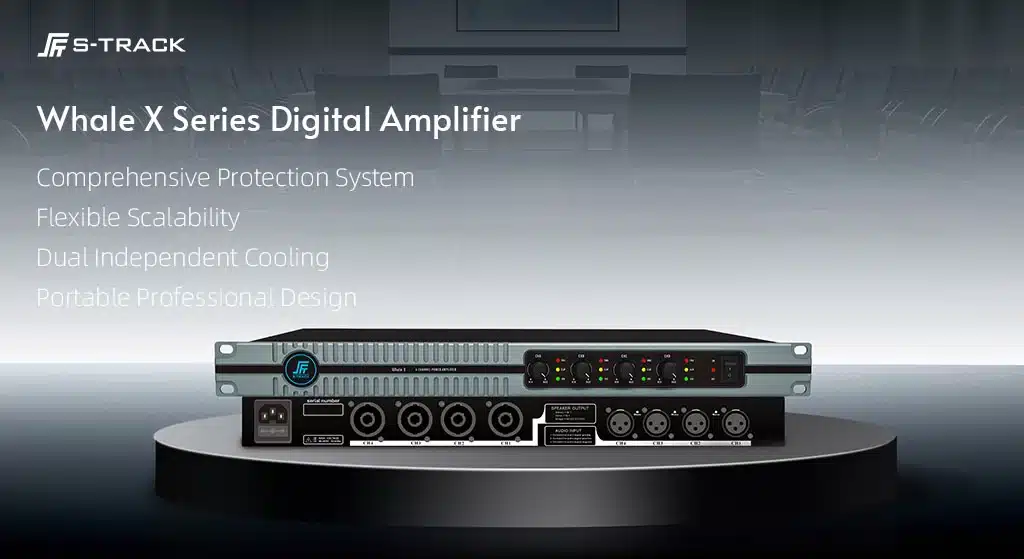
Controlling distortion is central to our design philosophy. Through continuous innovation and careful tuning, we deliver audio that moves you—clearly, deeply, and authentically.
400-900-2726
9th Floor, 1B, Shangzhi Technology Park, Guangming District, Shenzhen City, Guangdong Province, China
Copyright © SHENZHEN S TRACK SCIENCE TECHNOLOGY CO., LTD